



Myomectomy Surgery in Melbourne
Aiming to provide relief from uterine fibroids while keeping your plans for pregnancy open.
What is a Myomectomy?
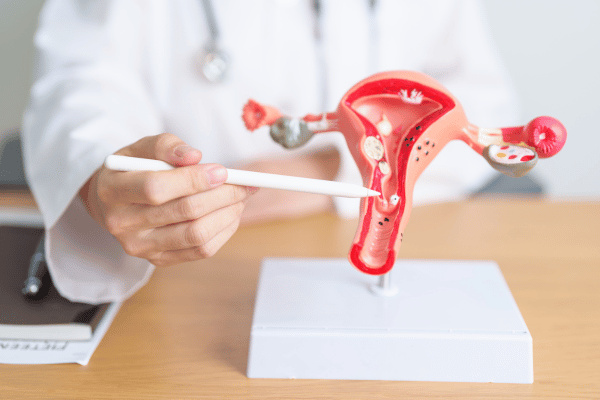
A myomectomy is a minimally invasive surgery designed to remove uterine myomas (also known as fibroids) through small incisions in the uterus. It is typically recommended for women who wish to preserve their fertility, as it is typically possible to fall pregnant and give birth after the procedure.
While fibroids are generally benign (non-cancerous) growths, they develop in the muscle wall of the uterus and may cause significant health issues as well as contribute to infertility. As such, your gynaecologist may recommend removing them.
Why Might I Need a Myomectomy?
Not everyone who has fibroids will need to have them removed; however, your gynaecologist may recommend this procedure if the growth is causing problems like:
- Heavy or prolonged menstrual bleeding
- Reduced fertility or recurrent miscarriages
- Urinary or bowel compression (which can cause frequency, urgency, or constipation)
- Abdominal distension
- Persistent pelvic pain or pressure symptoms
- Anaemia
Looking for a minimally invasive way to find relief from uterine fibroids? Speak with one of our specialists about a myomectomy.
The Myomectomy Procedure Explained
There are several types of myomectomy, depending on the size and location of the fibroid, including:
- Abdominal Myomectomy (Laparotomy): An open incision, similar to the one used during a caesarean section, and often reserved for larger or multiple fibroids
- Laparoscopic Myomectomy: Minimally invasive keyhole surgery using small abdominal incisions and a camera
- Hysteroscopic Myomectomy: A hysteroscope is inserted into the uterus through the vagina and cervix (suitable for submucosal fibroids)
Robotic - Myomectomy: An advanced laparoscopic technique where the surgeon uses robotic instruments for precision
Regardless of the method used, the actual fibroids themselves are removed in a similar manner. Your surgeon will make an incision on the uterus, dissect around the fibroid, remove it from the uterine cavity, and suture the wound closed using dissolvable sutures.
When there are multiple fibroids, multiple incisions may be required depending on their positions.
In more severe cases, your gynaecologist may recommend a hysterectomy. This involves removing the entire uterus, which will mean you are no longer able to fall pregnant, and is generally a last resort for women of reproductive age.
Your Myomectomy Surgery Melbourne Questions Answered
Who is a myomectomy suitable for?
Several factors are considered when determining if a patient is suitable for myomectomy to remove fibroids, including:
- The size, location, and number of fibroids
- The patient’s age and overall health
- The patient’s desire to have children
- The patient’s preference for preserving the uterus
- The feasibility of the procedure
What is the recovery period after a myomectomy?
Hospital stays after a laparoscopic myomectomy typically last one or two nights, while a laparotomy myomectomy usually requires two to three nights. Some post-operative pain and light vaginal bleeding is common after the procedure for up to two weeks. You should avoid heavy lifting, straining, sexual intercourse, and driving for two weeks and consult your specialist before resuming.
Can I have a baby after a myomectomy?
Yes, you may still be able to fall pregnant after this procedure, and this is one of the most common reasons why a myomectomy is chosen over a hysterectomy. Just be aware that the size and position of the incision made on the uterus when removing the fibroid/s may require you to have a caesarean section to give birth. Your surgeon will be able to provide further guidance.
What are the risks of myomectomy surgery?
Every surgical procedure carries risks. Those associated with a myomectomy include:
- Excessive bleeding
- Infection
- Damage to other organs
- Adhesions (or internal scars)
- Uterine wall weakness
- Life- saving hysterectomy (in very rare cases)
Your surgeon will discuss these risks and how they apply to your case before surgery.
Why Create Health?
Minimally Invasive Techniques
We offer advanced, minimally invasive surgical techniques (like laparoscopy) that often allow for quicker recovery times and minimal scarring.
Multilingual Team
We provide gynaecological support in nine languages, including English, Malay, Chinese, Arabic, German, Hindi, and Punjabi.
Access to Fertility Specialists
Many of our specialists also provide fertility support, meaning you can work with the same team on your journey to starting a family.

Want to Learn More About Surgical Removal of Fibroids via Myomectomy?
If fibroids are affecting your comfort, quality of life, or plans for pregnancy, you don’t have to manage them alone. Our experienced team at Create Health offers compassionate, evidence-based care tailored to your goals, whether that’s relief from symptoms or support on your fertility journey.
Get in touch today to discuss your symptoms, explore your potential treatment options, and find out if a myomectomy for fibroid removal is right for you.