


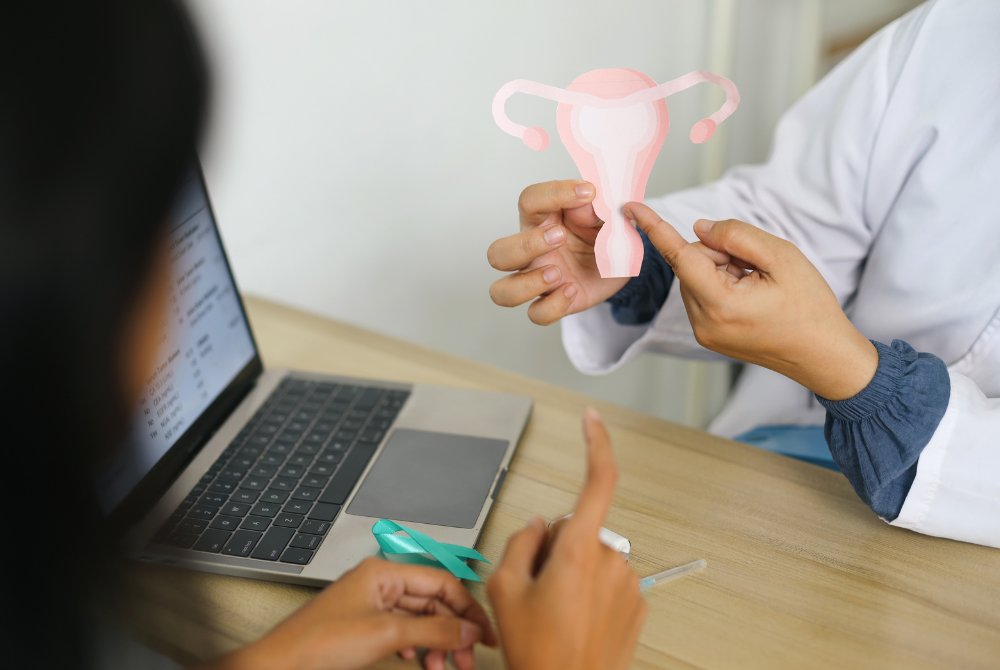
If you’re looking for a Pap smear in Melbourne, you may have noticed that cervical screening has changed over recent years. The Cervical Screening Test, which looks for human papillomavirus (HPV), has replaced the traditional Pap smear as the routine screening test in Australia.
It’s common to hear the terms ‘Pap smear’ and ‘HPV test’ used interchangeably, but they’re different tests. Understanding the difference can help you know what to expect and why cervical screening remains an important part of your healthcare.
In this guide, we’ll explain how the Cervical Screening Test works, how it differs from a Pap smear and what you can expect during your appointment
What Is a Pap Smear?
A Pap smear (also called a Pap test) is a cervical screening test that looks for abnormal changes in cervical cells.
During a Pap smear:
● A small sample of cells is collected from the cervix
● The sample is examined under a microscope
● The goal is to detect abnormal or pre-cancerous cell changes
Pap smears were the primary method of cervical screening for many years in Australia.
However, while Pap smears detect cell changes, they do not directly detect the virus that causes most of these changes.
What Is an HPV Test?
An HPV test checks for the presence of human papillomavirus (HPV), a very common virus that can affect the cervix.
HPV is the main cause of most cervical cell changes and cervical cancer.
During an HPV test:
● A sample is taken from the cervix in a similar way to a Pap smear
● The laboratory tests for high-risk HPV types
● The focus is on detecting the virus before cell changes develop
In Australia, the HPV test is now the primary screening method used in cervical screening programs, including cervical screening in Melbourne.
Pap Smear vs HPV Test: Key Differences
Although both tests are part of cervical screening, they serve different purposes.
Pap Smear
● Looks for abnormal cervical cells
● Detects changes after they occur
● Less sensitive in early detection
● Was the traditional screening method
HPV Test
● Detects the virus that causes cell changes
● Identifies risk earlier
● More accurate for long-term screening
● Now the primary test used in Australia
Simple way to understand it:
● Pap smear = looks for cell changes already happening
● HPV test = looks for the cause before changes develop
Why Cervical Screening Has Changed In Australia
Cervical screening in Australia was updated based on strong medical evidence showing that HPV testing is more effective at preventing cervical cancer.
The HPV test can:
● Detect risk earlier
● Reduce unnecessary follow-up procedures
● Extend screening intervals safely for most people
This is why the Pap smear has been replaced with the Cervical Screening Test (CST), which detects the presence of HPV. If HPV is present, the CST also tests for the presence of abnormal cells.
What Happens During Cervical Screening?
The process of having a Cervical Screening Test is very similar:
● The test is performed in a private clinical setting
● A small speculum is gently inserted
● A soft brush collects a sample from the cervix
● The procedure usually takes only a few minutes
Most people describe the test as mildly uncomfortable rather than painful, and it usually only takes a few minutes. At Create Health, we take the time to explain each step and help you feel as comfortable as possible throughout the appointment.
CST : When Should You Be Screened?
In Australia, cervical screening is generally recommended:
● Every 5 years for eligible individuals aged 25–74
● Starting at age 25 (even if vaccinated against HPV)
You may need earlier or more frequent screening if:
● You have had previous abnormal results
● You have symptoms such as abnormal bleeding
● Your doctor advises follow-up testing
When to Book Cervical Screening
You should book a cervical screening test if:
● You are due (or overdue) for routine screening
● You are experiencing symptoms such as unusual bleeding or discharge
Early screening is one of the most effective ways to prevent cervical cancer.
Frequently Asked Questions
Are HPV and Pap smear test the same?
No. An HPV test and a Pap smear are not the same test.
A Pap smear looks for changes in the cells of the cervix. An HPV test looks for the presence of the human papillomavirus (HPV), which is the main cause of those cell changes
Can a Pap smear detect HPV?
No, a Pap smear does not directly detect HPV.
A Pap smear examines cervical cells under a microscope to identify abnormal or pre-cancerous changes. It does not test for the virus itself. HPV infection is detected through a separate laboratory test called an HPV test.
Does a Pap smear test for anything other than HPV?
Yes. A Pap smear does not test for HPV at all.
Instead, it tests for:
● Abnormal cervical cell changes
● Pre-cancerous cell changes (dysplasia)
● Cellular abnormalities that may require further investigation
It is a cytology-based test, meaning it evaluates the appearance of cells rather than detecting viral DNA.
What happens if you test positive for HPV?
If you test positive for HPV, it does not mean you have cervical cancer.
In most cases:
● The immune system clears HPV naturally within 1–2 years
● You may be asked to repeat testing in 12 months
● Further investigation (such as a colposcopy) is only recommended if the virus persists or if cell changes are detected
HPV positivity is common, and follow-up care is based on risk level rather than the presence of HPV alone.
Pap Smear in Melbourne at Create Health
At Create Health, we provide supportive and professional cervical screening services, our team ensures the process is:
● Private and comfortable
● Clearly explained before and during the procedure
● Conducted by experienced healthcare professionals
● Aligned with current Australian cervical screening guidelines
We understand that cervical screening can feel uncomfortable for some people. Our focus is to make the experience as simple and respectful as possible.
Create Health is here to support your ongoing cervical health with evidence-based care and a patient-first approach.
