


Cervical screening is one of the most important preventive health checks available to women, yet it is also one of the most commonly postponed. Many women in Melbourne still feel unsure about what the test involves, whether it is painful, or if they actually need it, especially if they feel well or have had the HPV vaccine.
But here is what we know:
- Cervical cancer is one of the most preventable cancers when detected early through regular screening.
- The cervical screening test is designed to find early changes before symptoms appear, when treatment is simple and highly effective.
If you are searching for cervical screening in Melbourne, Pap smear in Melbourne, or HPV test in Melbourne, this guide will help you understand exactly what to expect and why it matters.
What is Cervical Screening?
Cervical screening is a simple test that checks for the human papillomavirus (HPV), the virus responsible for almost all cases of cervical cancer. In Australia, the old Pap smear has been replaced with a more accurate test called the Cervical Screening Test (CST).
Unlike the Pap smear, which looked for abnormal cell changes, the modern test detects HPV first, allowing earlier and more accurate prevention of cervical cancer. The test is recommended every 5 years for most women aged 25 to 74 who have ever been sexually active.
Cervical Screening vs Pap Smear: What has Changed?
Many women still refer to it as a “Pap smear”, but clinically, the test has changed significantly.
Today:
- The Pap smear (old test) is no longer used in Australia
- The HPV test (current cervical screening test) is the standard
- Screening is now required every 5 years instead of 2 yearly
This change happened because HPV testing is far more effective at identifying future risk of cervical cancer early.
So when people say “Pap smear”, they are usually referring to the modern cervical screening test.
Why Cervical Screening is So Important
Most cervical cancer cases develop slowly over many years after a persistent HPV infection.
The key issue is that HPV usually causes no symptoms at all, meaning most people do not know they have it.
Regular screening helps to:
- Detect HPV early
- Monitor for changes in the cells of the cervix from HPV
- Prevent cervical cancer in most cases
Cervical screening has significantly reduced cervical cancer rates in Australia.
In fact, cervical screening is considered one of the most effective cancer prevention tools available in women’s health today.
Who Needs Cervical Screening?
You should have regular cervical screening if you:
- Are aged between 25 and 74
- Have ever been sexually active (even once)
- Have a cervix (regardless of gender identity or sexual orientation)
This includes people who:
- Have had the HPV vaccine
- Have been in long-term relationships
- Are not currently sexually active
Even with vaccination, screening is still essential because not all HPV types are covered.
What Happens During a Cervical Screening Test?
The procedure is quick, simple, and usually takes only a few minutes.
It involves:
- A short consultation with your doctor or nurse
- A speculum gently inserted to access the cervix
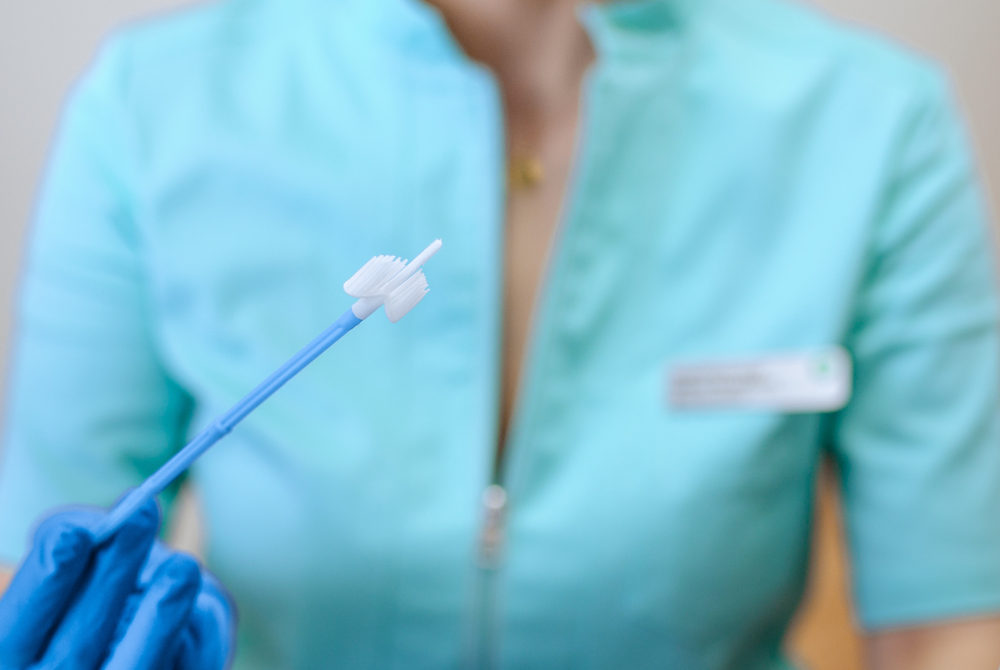
- A small soft brush collecting a sample of cervical cells
- The sample being sent for HPV testing
Some patients may also be eligible for self-collected HPV testing, depending on their situation and eligibility.
Most women describe the test as mildly uncomfortable rather than painful, and it is over very quickly.
Hpv Test Melbourne: What Does The Result Mean?
Your results will usually fall into one of two categories:
HPV negative
- No high-risk HPV detected
- Very low risk of cervical cancer
- Next test due in 5 years
HPV positive
- HPV detected (very common)
- Does NOT mean cancer
- Further testing may be required
If HPV is found, your doctor may recommend:
- Repeat testing in 12 months
- A closer examination of the cervix
- Referral for colposcopy if needed
Most HPV infections clear naturally within 1–3 years without treatment.
Abnormal Pap Smear Follow-up (What it Really Means)
If you have previously been told you had an “abnormal Pap smear”, it usually refers to changes in cervical cells caused by HPV.
Today, follow-up care depends on:
- The type of HPV detected
- Whether cell changes are present
- Your previous screening history
Follow-up may include:
- Repeat cervical screening
- Colposcopy (a detailed cervical examination)
- Ongoing monitoring
It is important to understand that abnormal results are not uncommon, and in most cases, do not mean cancer.
Common Symptoms Women Should Not Ignore
Cervical changes often have no symptoms, which is why screening is essential.
However, symptoms that should always be checked include:
- Bleeding between periods
- Bleeding after sex
- Unusual pelvic pain
- Unexplained vaginal discharge
If you experience any of these, you should not wait for your next routine screen.
Cervical Health Melbourne: Why Regular Screening Matters
Cervical health is not only about cancer prevention, but also about long-term reproductive wellbeing and peace of mind.
Regular screening helps:
- Detect changes early
- Prevent unnecessary complications
- Support fertility and reproductive planning
- Reduce anxiety around symptoms
The goal is simple: prevent disease before it develops.
How Often Should You Have Cervical Screening?
In Australia, the recommendation is:
- Every 5 years if results are normal
- Earlier follow-up if HPV is detected or abnormalities are found
Your doctor will always guide your personal screening schedule based on your results and history.
Preparing For Your Cervical Screening Appointment
To make your appointment easier:
- Try to avoid booking during your period
- Wear comfortable clothing
- Write down any symptoms you want to discuss
- Relax your body as much as possible during the test
If you feel anxious, let your clinician know. Cervical screening providers are trained to make the process as comfortable as possible.
When Should You Book A Cervical Screening In Melbourne?
You should book your cervical screening if:
- You are due or overdue
- You are experiencing symptoms
- You have never had a cervical screening test
- You are unsure about your last result
Early testing is always better than delayed reassurance.
Frequently Asked Questions: Cervical Screening
Is a cervical screening test painful?
Most women describe it as mildly uncomfortable rather than painful. The procedure is quick and performed gently by trained clinicians to minimise discomfort.
Do I still need cervical screening if I had the HPV vaccine?
Yes. The HPV vaccine protects against the most common high-risk strains, but not all types. Regular screening is still essential.
How long do cervical screening results take?
Results are usually available within a few days to a couple of weeks, depending on the laboratory.
Can I get a cervical screening test if I have my period?
Yes, you can! Speculum examinations may be more uncomfortable for you during your period, though.
What happens if my HPV test is positive?
A positive result does not mean cancer. It means the virus is present, and your doctor will guide you through follow-up testing if required.
How do I know if I need a Pap smear or HPV test?
In Australia, the HPV test has replaced the Pap smear. When people refer to a “Pap smear”, they usually mean the modern cervical screening test.
Can cervical cancer develop without symptoms?
Yes. In early stages, cervical changes often do not cause symptoms, which is why routine screening is essential even when you feel well.
Cervical Screening In Melbourne At Create Health
At Create Health Melbourne, we understand that cervical screening can feel uncomfortable or even intimidating for some women.
That is why our approach focuses on:
- Gentle, respectful care
- Clear communication at every step
- A calm and supportive clinical environment
- Time to answer all your questions without pressure
Whether you are booking a routine HPV test in Melbourne, following up with an abnormal result, or coming in for your first cervical screening, our team is here to support you with clarity and care
