


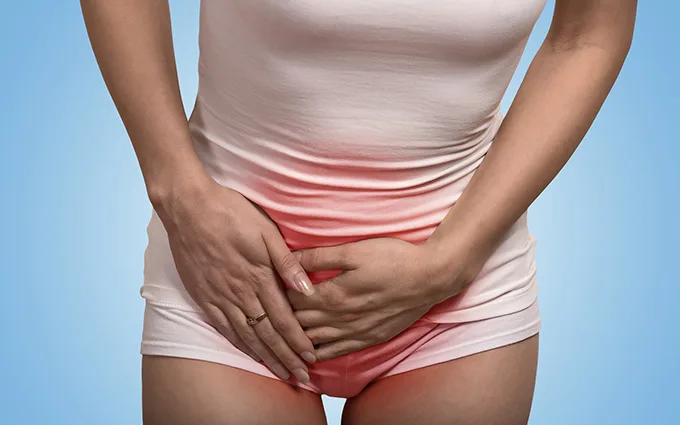
Pain during sex, known as dyspareunia, is more common than many women realise, yet few seek help because it feels too uncomfortable to raise, or because they have been told it is something they simply have to put up with.
It is not.
Painful sex is a symptom, not a diagnosis, and in most cases it has an identifiable and treatable cause. Whether pain is felt at entry, deep internally, or lingers as an ache after intercourse, it is your body signalling that something needs attention.
This guide covers what dyspareunia feels like, what causes it, how it is diagnosed, and what treatment options are available — so you can approach the conversation with your gynaecologist feeling informed and prepared.
What is dyspareunia (painful sex)?
Pain during sex, known as dyspareunia, is persistent or recurring pain just before, during, or after intercourse. It is more common in women but can affect anyone. Pain may be felt externally on the vulva, or internally in the vagina, uterus, pelvic floor muscles, or lower abdomen.
It is also far more common than many people realise — 3 in 4 women will experience it at some point in their lives. Despite this, many never seek help because it feels too uncomfortable to raise with a doctor. If that sounds familiar, know that you are not alone, and you do not have to simply put up with it.
Painful sex can present differently for every woman. You may experience sharp pain at penetration, deep aching during thrusting, a burning or throbbing sensation that lingers afterward, pelvic cramping, muscle tightness or spasms, or bladder pain during sex. It may be felt in one specific area or across the entire pelvic region.
Understanding the type of pain you have helps guide diagnosis and treatment.
Entry pain occurs at the vaginal opening during initial penetration and is often linked to dryness, hormonal changes, or infection.
Positional pain is usually related to pelvic floor dysfunction or vaginal dryness and varies depending on sexual position.
Deep pain occurs during deeper penetration and is more commonly associated with conditions like endometriosis or pelvic floor dysfunction.
Pain can also be described as primary (present since first becoming sexually active), secondary (developing after a period of pain-free sex), complete (every time), or situational (only in certain circumstances).
What causes pain during sex?
Several gynaecological conditions can cause pain or discomfort during sex, including:
Endometriosis — one of the most common causes of deep pelvic pain during intercourse, particularly pain felt internally during deeper penetration.
Uterine fibroids — fibroids located near the cervix or back of the uterus can cause pressure, pelvic discomfort, and pain during sex.
Vaginismus — an involuntary tightening of the pelvic floor muscles that can make penetration painful or impossible.
Pelvic inflammatory disease — infection and inflammation in the reproductive organs that causes deep pelvic pain.
Vaginal dryness — commonly linked to hormonal changes, particularly during perimenopause or postpartum recovery.
How is dyspareunia treated?
Treatment depends entirely on the underlying cause, which is why an accurate diagnosis is the essential first step. There is no single solution — but the good news is that most causes of painful sex are treatable.
Pelvic Floor Physiotherapy If pelvic floor dysfunction is contributing to pain, physiotherapy is often the first line of treatment. A specialist physiotherapist can guide you through targeted exercises to retrain and relax overactive muscles, dilator therapy to gradually desensitise tissue, trigger point therapy to release muscular tension, and myofascial release for surrounding muscles that have also become tight.
Hormonal and Topical Treatments If vaginal dryness caused by low oestrogen is the primary cause — commonly during perimenopause, postmenopause, or while breastfeeding — topical oestrogen applied directly to the vaginal tissue can restore moisture and thickness. Non-hormonal lubricants and vaginal moisturisers are also effective for managing dryness day to day.
Medication Where infection is the cause, targeted antibiotics or antifungal treatment will typically resolve pain quickly. For menopause-related dyspareunia, ospemifene is an FDA-approved oral medication that can help where topical treatments are not preferred.
Surgery For women whose pain is caused by endometriosis or uterine fibroids, surgical intervention may be recommended. Laparoscopic surgery can remove endometriosis lesions and is often associated with significant improvement in pain during sex.
Psychological Support Where pain has been present for a long time, the anticipation of pain can itself become part of the problem. Psychosexual counselling or cognitive behavioural therapy can help break this cycle, particularly for vaginismus or where anxiety around sex has developed.
What You Can Do at Home Alongside medical treatment, some practical measures can help manage discomfort. Using a water or silicone-based lubricant, avoiding fragranced soaps and products near the vulva, trying positions that cause less pain, and taking an over-the-counter pain reliever before sex can all provide relief while a longer term solution is pursued.
Below are 5 ways Pelvic Floor Physiotherapy can help achieve pain free sex:
1. Deep Breathing Exercises
Assists with the mobilization of your pelvic floor. If you imagine the diaphragm being the lid and the pelvic floor being the base, both must move up and down simultaneously. As you breathe in, the diaphragm moves down, pressure in your abdomen increases and your pelvic floor stretches. Meanwhile, as you breathe out your diaphragm comes back up and pressure in your abdomen decreases as your pelvic floor rises. This movement of your pelvic floor with deep breathing can assist to relax your pelvic floor muscles.
2. Retraining your pelvic floor
Like any tight muscle in your body, when you have tightness the muscle is unable to function appropriately. This can lead to reduced pelvic floor muscle strength, urinary incontinence, constipation and reduced orgasm. Learning how to appropriately relax your pelvic floor is an integral part of treatment prior to strengthening the pelvic floor muscle to get a full contraction and relaxation phase.
3. Dilator therapy
Once your pelvic floor is able to contract and appropriately relax, dilator therapy helps to stretch your pelvic floor muscles and desensitize tissue and nerves.
4. Pelvic Floor Trigger Point Therapy
When your muscles become ‘tight’ or overactive you can develop myofascial dysfunction or ‘knots’ within the muscle belly. This can lead to active or latent trigger points within skeletal muscles; Active trigger points – can cause spontaneously painful areas without physical stimuli (e.g. aching or pain following sex). Latent trigger points – pain on physical palpation (e.g. deep pain with penetration). Pelvic Floor Physiotherapists can trigger point the pelvic floor muscles with palpation to reduce muscle tension.
5. Myofascial release
When your pelvic floor is tight, usually other muscle’s in the body specifically surrounding your pelvis also become tight and dysfunctional. A physiotherapist will assess you with a holistic approach.
If you experience pain during or after sex contact Create Health and make an appointment with our Pelvic floor & Continence Physiotherapist, Rachel Fitt, to discuss further and find out how she can help you.
Why You May Have Pain During Sex
Pain during sex, also known as dyspareunia, can be a sign of uterine fibroids, especially when fibroids are located near the cervix, lower uterus, or the back of the uterus. These fibroids can cause pelvic discomfort, pressure, or deep‑penetration pain that flares with intercourse. This symptom often overlaps with other uterine fibroid symptoms such as pelvic pain, bloating, and heavy menstrual bleeding, so it’s important to mention any pain during sex when discussing your fibroid symptoms with a gynaecologist.