




Prolapse Specialist Melbourne
Personalised treatment for your pelvic health.
Compassionate Support and Prolapse Care
A prolapse may feel overwhelming, especially without the right support. If something doesn’t feel quite right with your pelvic floor, now is the time to seek care.
At Create Health, our gynaecology team is experienced in women’s health, including prolapse support. If you’re concerned, we’re here to listen and help, offering personalised, compassionate care that puts you first.
What is a Pelvic Organ Prolapse?
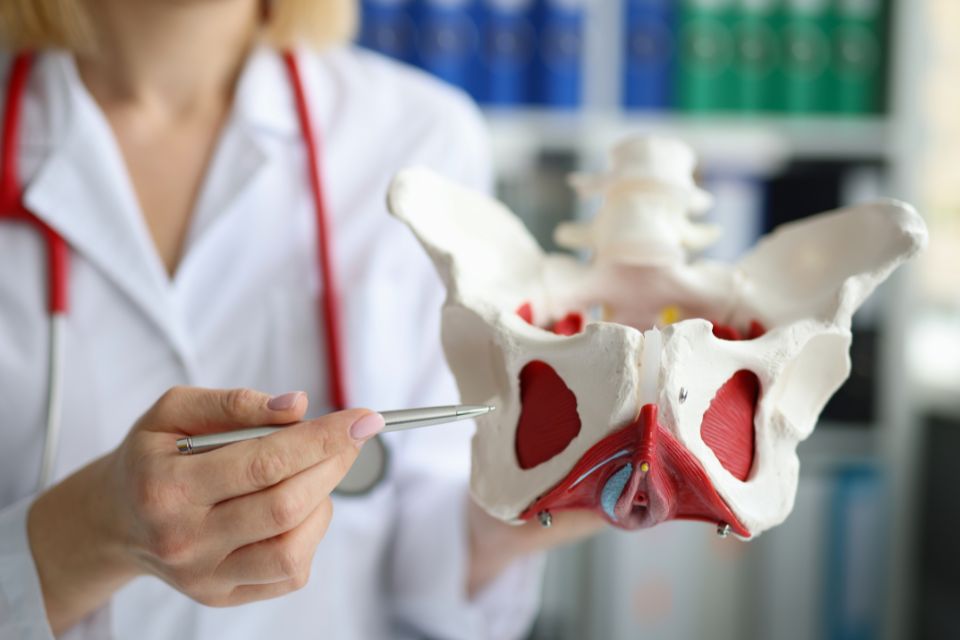
A prolapse is a common condition that may affect many women. It occurs when the pelvic floor has been weakened, causing pelvic organs to slowly slip out of place.
Usually, they drop down slightly into the vagina, but in severe cases, they may extend further and bulge outwards. There are several causes of this, such as:
- Childbirth
- Chronic cough
- Increasing Age
- Obesity
- Chronic Straining
Common Prolapse Symptoms
It’s not always easy to tell if you have a prolapse, especially with a mild or moderate prolapse. To help, we’ve outlined some common symptoms you may look out for, such as:
- A dragging sensation or heaviness around the vagina
- A vaginal lump
Poor urinary stream/ incomplete emptying of your bladder
Discomfort with intercourse
Treating a Prolapse
If you have a mild pelvic organ prolapse, you may not need any treatment. However, if your quality of life is affected by your prolapse, you may wish to consider treatment.
Pelvic Floor Exercises
Tailored exercises may help strengthen your pelvic floor muscles. This may improve and manage symptoms.
Vaginal Pessary
This is a removable device that is inserted into the vagina. It may help reduce the vaginal bulge. However, it will not address the cause.
Prolapse Surgery
Surgical treatment may be used to help strengthen the vaginal wall and connective tissues that support your organs.
Answering Your Prolapse Questions
What are the different types of prolapse?
There are several different types of prolapse, such as:
- Anterior prolapse, affecting bladder function
- Posterior prolapse, affecting the rectum
- Uterine prolapse, involving the uterus
- Apical prolapse, which may occur after a hysterectomy, when the top of the vagina loses support
What should I expect if I need prolapse surgery?
Prolapse surgery is not usually a first-line treatment. However, surgical management may be needed when non-surgical options and lifestyle modifications have not helped.
Depending on your needs, procedures may involve:
- A vaginal approach with a vaginal incision
- Laparoscopic, keyhole, surgery
- Robotic surgery
For further information, reach out to our team today.
Does prolapse surgery include incontinence surgery?
Incontinence surgery is sometimes performed alongside prolapse repair. If you have urinary issues like leaking, faecal incontinence, or other bowel symptoms, it may be recommended.
Your surgeon may assess your bladder function to determine whether combined treatment is right for you.
What Sets Create Health Apart?
Personalised Support
Every treatment is tailored to suit your needs and preferences. No matter your concern, we’re here to listen and support you.
Trusted Experience
With years of experience in women’s health, our team provides care across a wide range of conditions.
Diverse Communication
Our team speaks nine different languages. We want you to feel understood, informed, and truly supported.

Care for Every Stage of Prolapse
Is a vaginal prolapse causing you discomfort or distress? You’re not alone. Many Australian women experience prolapse, and with the proper care, recovery may be possible.
At Create Health, we treat every patient with the genuine care and respect they deserve. If you’re concerned, we’re here to help, with compassionate support every step of the way.