


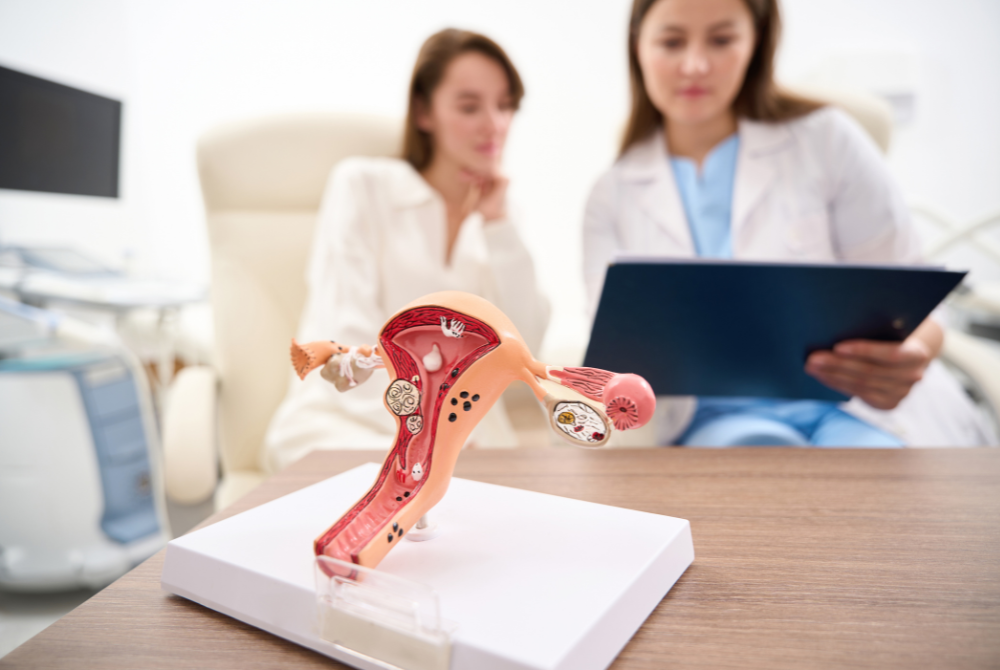
Painful periods. Pelvic pain. These symptoms are shared by two conditions that are frequently confused with each other – endometriosis and adenomyosis. Both are common, and often co-exist. Their symptoms are often dismissed, and both can have a significant impact on quality of life and fertility. But they are not the same condition, and understanding the difference matters for getting the right diagnosis and the right treatment.
At Create Health, we regularly meet women in our clinic who tell us they’ve been struggling for years with severe period pain, heavy bleeding, and ongoing pelvic discomfort. Many share that they’ve seen multiple doctors or been told their symptoms are normal, and arrive feeling confused after hearing terms like endometriosis and adenomyosis but not knowing which might be affecting them.
If you have been researching your symptoms and come across both terms, this guide will help you understand what sets them apart, how they are each diagnosed, and what your options are if you think you may have one or both.
Endometriosis vs Adenomyosis Symptoms: How to Tell Them Apart
The symptoms of endometriosis and adenomyosis overlap significantly, which is one of the main reasons both conditions are so frequently misdiagnosed. However, there are some key distinctions that can help point toward one condition over the other.
Bleeding Pattern
Heavy, prolonged bleeding is a more dominant feature of adenomyosis. Women with endometriosis may also experience heavy periods, but the bleeding pattern in adenomyosis is typically more consistent and severe.
Uterine Enlargement
A noticeably enlarged or tender uterus on examination strongly suggests adenomyosis rather than endometriosis. Endometriosis does not typically cause the uterus itself to enlarge.
Fertility Impact
Both conditions can affect fertility, but through different mechanisms. Endometriosis affects fertility through distorted pelvic anatomy, reduced egg quality, and impaired implantation. Adenomyosis primarily affects implantation by altering the uterine environment, making it harder for an embryo to embed successfully.
Age of onset
Endometriosis symptoms frequently begin in adolescence, often from the first menstrual cycle. Adenomyosis is more commonly diagnosed in women over 30, though this may partly reflect diagnostic patterns rather than true onset.
It is also important to note that endometriosis and adenomyosis can – and frequently do – occur together. Research suggests that up to 20% of women with endometriosis also have adenomyosis. Having both conditions simultaneously can make symptoms more severe and diagnosis more complex.
What Is Endometriosis?
Endometriosis is a chronic condition where tissue similar to the uterine lining grows outside the uterus. It most commonly affects the ovaries, fallopian tubes, and pelvic lining, although in more severe cases it can extend to the bowel or bladder.
Each month, this displaced tissue responds to hormonal changes just as the uterine lining does. It thickens, bleeds, and inflames – but with nowhere to exit the body. Over time this process causes scarring, adhesions, and the formation of cysts known as endometriomas.
Endometriosis affects approximately 1 in 7 Australian women. It is classified into four stages based on the location, depth, and extent of the tissue involved. Importantly, the stage does not always reflect how severe the symptoms are – some women with Stage I experience debilitating pain, while others with Stage IV may have relatively few symptoms.
The most common symptoms of endometriosis include:
- Severe, debilitating period pain that often requires the need to take time off work/ school
- Chronic pelvic pain outside of menstruation
- Pain during or after sex
- Painful bowel movements or urination around menstruation
- Difficulty conceiving
What Is Adenomyosis?
Adenomyosis is a condition where the tissue that normally lines the uterus – the endometrium – grows into the muscular wall of the uterus itself, known as the myometrium. Unlike endometriosis, which involves tissue growing outside the uterus, adenomyosis is contained entirely within the uterine wall.
This causes the uterus to become enlarged, thickened, and tender. Each menstrual cycle, the tissue embedded in the muscle bleeds and causes inflammation from within – leading to heavy, painful periods and a uterus that is often noticeably larger than normal.
Adenomyosis is most commonly diagnosed in women in their thirties and forties, though it can occur at any age. It is estimated to affect between 20% and 30% of women, though many cases go undiagnosed because symptoms are normalised or attributed to other conditions.
The most common symptoms of adenomyosis include:
- Heavy, prolonged periods (menorrhagia)
- Severe period pain (dysmenorrhoea)
- Chronic pelvic pressure or a feeling of heaviness
- An enlarged, tender uterus
- Bloating around menstruation
How Are Endometriosis and Adenomyosis Diagnosed?
The diagnostic pathways for endometriosis and adenomyosis are different, which is one more reason why seeing a specialist with experience in both conditions is so important.
Diagnosing endometriosis
Endometriosis is notoriously difficult to diagnose without specialist input. A standard ultrasound may miss it entirely. The gold standard remains laparoscopy with biopsy, though advanced transvaginal ultrasound and MRI performed by experienced specialists can now identify many cases without surgery, particularly ovarian endometriomas and deep infiltrating endometriosis.
Diagnosing adenomyosis
Adenomyosis can be identified more reliably through non-invasive imaging. Transvaginal ultrasound is the first-line investigation, looking for characteristic features such as an enlarged uterus, asymmetrical myometrial thickening, and heterogeneous texture within the uterine wall. MRI provides a more detailed assessment and is particularly useful when ultrasound findings are inconclusive. In both cases, the quality of the imaging and the experience of the specialist interpreting it makes a significant difference to diagnostic accuracy. This is why referral to a specialist endometriosis clinic in Melbourne – rather than relying on a general pelvic ultrasound alone – is consistently associated with faster and more accurate diagnosis.
Treatment Options: Endometriosis vs Adenomyosis
Treatment for both conditions depends on the severity of symptoms, the impact on fertility, and the individual patient’s goals. There is meaningful overlap in the medical management of both conditions, but surgical approaches differ.
Endometriosis treatment
Treatment ranges from hormonal medications (including the combined pill, progestins including the Mirena IUD, and GnRH agonists) to minimally invasive laparoscopic surgery. The gold standard surgical approach for endometriosis is excision, where lesions are precisely cut away from surrounding tissue. This is associated with better long-term outcomes and lower recurrence rates than ablation. For women with fertility goals, surgery is carefully timed and planned to protect ovarian reserve.
Adenomyosis treatment
Medical management of adenomyosis follows a similar hormonal approach to endometriosis. The hormonal IUD (Mirena) is particularly effective for managing adenomyosis-related bleeding and pain. For women who have completed their family and have severe, refractory symptoms, hysterectomy is the only definitive treatment. Unlike endometriosis, there is no equivalent of excision surgery for adenomyosis since the tissue is embedded within the uterine muscle.
When both conditions are present
When endometriosis and adenomyosis co-exist, treatment planning requires careful consideration of both conditions simultaneously. This is best managed by a specialist with experience in both, working within a multidisciplinary team that includes fertility expertise where relevant.
Frequently Asked Questions: Endometriosis vs Adenomyosis
What is the main difference between endometriosis and adenomyosis?
The key difference is location. In endometriosis, tissue similar to the uterine lining grows outside the uterus, most commonly on the ovaries, fallopian tubes, and pelvic lining. In adenomyosis, that same type of tissue grows into the muscular wall of the uterus itself. Both conditions cause pain and heavy bleeding, but through different mechanisms and with different implications for diagnosis and treatment.
How is endometriosis diagnosed without surgery?
Endometriosis can sometimes be diagnosed without surgery using imaging like transvaginal ultrasound or MRI, combined with a specialist’s assessment of symptoms such as painful periods, pelvic pain, or pain during sex. Doctors may start treatment based on symptoms alone, with surgery reserved for those not responding to medical treatment, or those wanting to improve their chances of conceiving.
Which is worse: endometriosis or adenomyosis?
Neither condition is necessarily “worse” than the other. Both can significantly affect quality of life, fertility, and daily functioning. Endometriosis can spread outside the uterus and cause adhesions or organ involvement, while adenomyosis primarily affects the uterus and often leads to heavy bleeding and severe cramping. The impact depends on the individual, the severity of symptoms, and whether fertility is affected.
How is endometriosis vs adenomyosis diagnosed?
Endometriosis typically requires advanced transvaginal ultrasound, MRI, or laparoscopy for diagnosis. Adenomyosis can often be identified through transvaginal ultrasound or MRI alone, looking for characteristic changes in the uterine wall. Both conditions are best diagnosed by a specialist with specific experience in pelvic conditions rather than through a routine general ultrasound.
When should I see a specialist for suspected endometriosis or adenomyosis?
If you experience severe period pain, heavy bleeding, pelvic pain outside menstruation, or difficulty conceiving, it is important to seek specialist assessment. Early evaluation by a gynaecologist or endometriosis specialist can lead to faster diagnosis and more effective treatment options.
Expert Endometriosis and Adenomyosis Care at Create Health Melbourne
At Create Health, our specialist gynaecologists and endometriosis specialists in Melbourne provide thorough, evidence-based assessments for women with suspected or confirmed endometriosis and adenomyosis.
We understand that navigating two overlapping conditions with similar symptoms is confusing and exhausting – particularly when years of being told your pain is normal have already taken a toll. Our approach is built on listening carefully, investigating thoroughly, and giving you real answers.
Whether you are trying to understand your symptoms for the first time, seeking a second opinion, or ready to discuss treatment, our team is here to support you through every stage of your journey.
